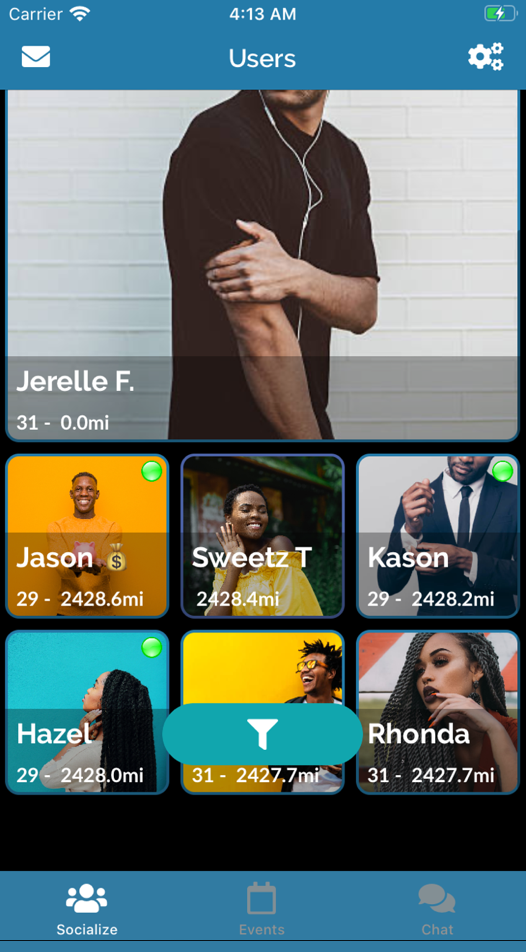
Locals To Meet

The Index of Tantra is generally split into three major geographical and philosophical branches. These divisions help scholars and practitioners navigate the massive volume of available manuscripts.
Tantra is one of the most misunderstood and complex traditions in human history. While modern pop culture often reduces it to sexuality, the historical Index of Tantra reveals a rigorous spiritual science. It encompasses architecture, linguistics, medicine, astrology, and deep meditation. To understand the "Index," one must look at how these thousands of texts are organized and what they actually teach. The Primary Divisions of Tantric Literature
The Vaishnava Tantras: Also known as the Pancharatra Agamas, these texts focus on Vishnu and his incarnations. They provide detailed instructions on temple building, deity installation, and devotional rituals. The Four Pillars of Tantric Practice index of tantra
Jnana Pada (The Path of Knowledge): This section covers the philosophical foundation. It explains the nature of the universe, the soul, and the divine.Yoga Pada (The Path of Discipline): Here, the texts describe physical and mental practices. This includes asana, pranayama (breathwork), and the internal mapping of the chakras and nadis (energy channels).Kriya Pada (The Path of Action): This is the ritualistic core. It includes instructions for building temples, sculpting icons, and performing complex ceremonies.Charya Pada (The Path of Conduct): This section outlines daily behavior, ethics, and social duties for the practitioner. The Role of the Guru and Initiation
The Shaiva Tantras: These focus on Shiva as the supreme consciousness. They are often divided into the 28 fundamental Shaiva Agamas. They emphasize the non-dual nature of reality—the idea that the individual soul and the divine are one. The Index of Tantra is generally split into
A significant portion of any Tantric index is dedicated to "Subtle Anatomy." Unlike Western medicine, which looks at the physical body, Tantra maps the energetic body.
Today, the Index of Tantra is experiencing a digital revival. Researchers are archiving ancient palm-leaf manuscripts, making texts that were once hidden in remote monasteries available to the global public. This accessibility allows for a more authentic understanding of Tantra as a holistic system for human evolution. While modern pop culture often reduces it to
The Shakta Tantras: These center on the Divine Mother or Shakti. This branch is perhaps the most famous, involving the worship of goddesses like Kali, Durga, and Tripura Sundari. The texts here focus on the "power" or "energy" that creates and sustains the universe.
If you were to look at the table of contents for a standard text within the Index of Tantra, you would find it organized into four specific sections, known as Padas.
In the Index of Tantra, information is not considered "public domain" in the traditional sense. Most texts emphasize that the wisdom contained within them is dormant until it is activated by a qualified teacher (Guru) through initiation (Diksha). This ensures that the powerful techniques—such as specific Mantras or visualizations—are used safely and correctly. The Architecture of the Subtle Body
The Index of Tantra is generally split into three major geographical and philosophical branches. These divisions help scholars and practitioners navigate the massive volume of available manuscripts.
Tantra is one of the most misunderstood and complex traditions in human history. While modern pop culture often reduces it to sexuality, the historical Index of Tantra reveals a rigorous spiritual science. It encompasses architecture, linguistics, medicine, astrology, and deep meditation. To understand the "Index," one must look at how these thousands of texts are organized and what they actually teach. The Primary Divisions of Tantric Literature
The Vaishnava Tantras: Also known as the Pancharatra Agamas, these texts focus on Vishnu and his incarnations. They provide detailed instructions on temple building, deity installation, and devotional rituals. The Four Pillars of Tantric Practice
Jnana Pada (The Path of Knowledge): This section covers the philosophical foundation. It explains the nature of the universe, the soul, and the divine.Yoga Pada (The Path of Discipline): Here, the texts describe physical and mental practices. This includes asana, pranayama (breathwork), and the internal mapping of the chakras and nadis (energy channels).Kriya Pada (The Path of Action): This is the ritualistic core. It includes instructions for building temples, sculpting icons, and performing complex ceremonies.Charya Pada (The Path of Conduct): This section outlines daily behavior, ethics, and social duties for the practitioner. The Role of the Guru and Initiation
The Shaiva Tantras: These focus on Shiva as the supreme consciousness. They are often divided into the 28 fundamental Shaiva Agamas. They emphasize the non-dual nature of reality—the idea that the individual soul and the divine are one.
A significant portion of any Tantric index is dedicated to "Subtle Anatomy." Unlike Western medicine, which looks at the physical body, Tantra maps the energetic body.
Today, the Index of Tantra is experiencing a digital revival. Researchers are archiving ancient palm-leaf manuscripts, making texts that were once hidden in remote monasteries available to the global public. This accessibility allows for a more authentic understanding of Tantra as a holistic system for human evolution.
The Shakta Tantras: These center on the Divine Mother or Shakti. This branch is perhaps the most famous, involving the worship of goddesses like Kali, Durga, and Tripura Sundari. The texts here focus on the "power" or "energy" that creates and sustains the universe.
If you were to look at the table of contents for a standard text within the Index of Tantra, you would find it organized into four specific sections, known as Padas.
In the Index of Tantra, information is not considered "public domain" in the traditional sense. Most texts emphasize that the wisdom contained within them is dormant until it is activated by a qualified teacher (Guru) through initiation (Diksha). This ensures that the powerful techniques—such as specific Mantras or visualizations—are used safely and correctly. The Architecture of the Subtle Body
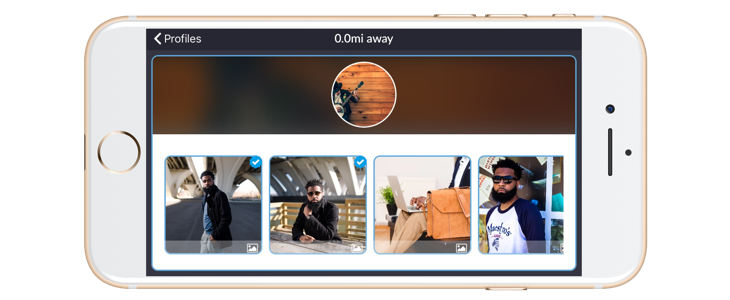
Our team works around the clock to not only ensure that the profiles you interact with are real, and that all media uploaded is authentic. We've introduced a convenient process to allow users to verify there media in 3 steps to keep credibility.
Select any previously uploaded videos or images that you would like to verify.
Using your device's camera; take a photo or record a video of yourself. Videos are preferred as they provide more accuracy during the verification process.
Tap done to submit your media to Mako. The team will review and process your request typically within 24 hours. A notification will be sent to you when this is complete. For all approved media, a blue check will appear next to it them.
First question is about Riga's availability on markets?
Riga was developed for both major mobile platforms to be able to serve as many users as possible. It wasn't easy and it required a lot of development time but now people from all over the world can enjoy the app.
Second question is about the reason of being for Riga and what sparked this awesome software project?
It all started with one of those days when everything goes wrong and you feel at the end of your patience. At the end of one of this type of days, the founder came up with the idea of building an app that would help him get by.
Third question is about some of the app's features?
Every feature was carefully planned and introduced only after debating the idea with all team members and getting their complete approval. The testing department did a great job in making sure everything works like a charm.
Riga also automatically collects and information
Including the activities you perform on our Website, the Platforms, and the Applications, the type of hardware and software you are using (for example, your operating system or browser), and information obtained from cookies.
For example, each time you visit the Website or otherwise use the Services, we collect your IP
Browser and device type, access times, the web page from which you came, the regions from which you navigate the web page, and the web page(s) you access (as applicable). When you first register for a Riga account and enjoy.
The geographic area where you use your computer
Your full name, username, and email address and other contact details. A unique Riga user ID (an alphanumeric string) which is assigned to you upon registration. Other optional information as part of your account profile.
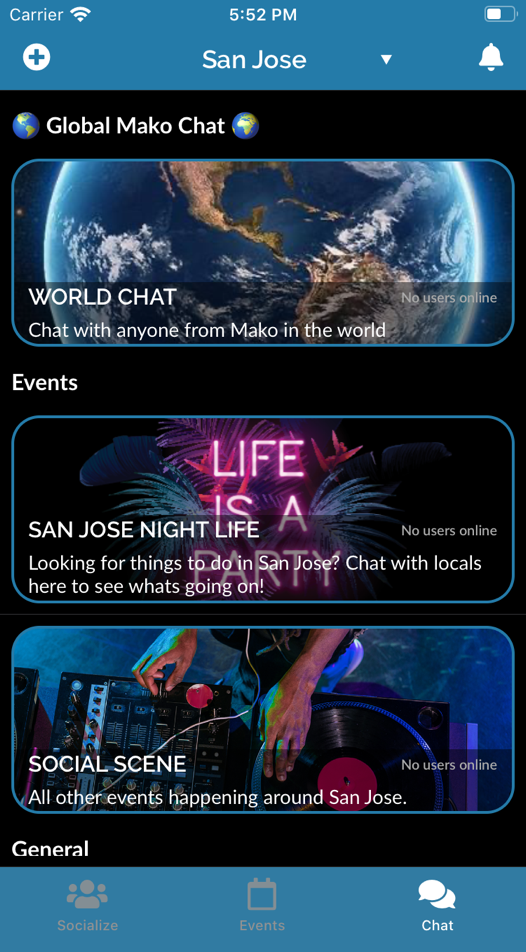
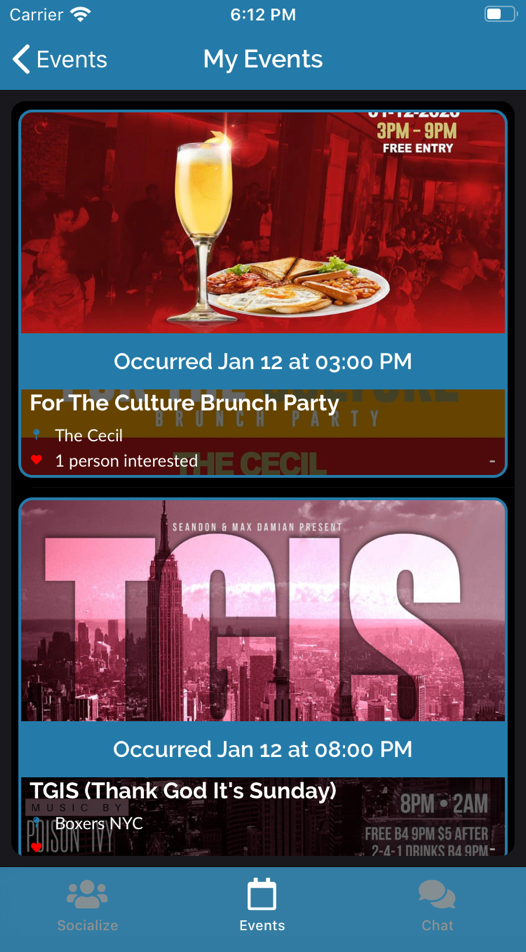
Check out some of the events happening on Mako Now!
Locals To Meet
Good Reviews
Active Events
Mako is app focused on the quality of our users and content; so we take privacy and security seriously. Check out our Terms & Conditions and Privacy Policy to get more details.
DownloadBusiness management app to improve your operational flow and increase revenues. Download now and enjoy.
This is a great app which can help you save time and make your live easier. You should definitely give it a try.
| Responsive layout | |
| Distinctive CTAs | |
| Image gallery slider | |
| Contact forms | |
| FontAwesome icons | |
| Well-structured code |
Get in shape quickly with the exercise plans provided by our fitness mobile app. Download now and enjoy.
This is a great app which can help you save time and make your live easier. You should definitely give it a try.
| Responsive layout | |
| Distinctive CTAs | |
| Image gallery slider | |
| Contact forms | |
| FontAwesome icons | |
| Well-structured code |
Start to save for rainy days. This app will help you save money on the long run. Download now and enjoy.
This is a great app which can help you save time and make your live easier. You should definitely give it a try.
| Responsive layout | |
| Distinctive CTAs | |
| Image gallery slider | |
| Contact forms | |
| FontAwesome icons | |
| Well-structured code |
Find the best accommodation, health insurance and transportation for your trip. Download now and enjoy.
This is a great app which can help you save time and make your live easier. You should definitely give it a try.
| Responsive layout | |
| Distinctive CTAs | |
| Image gallery slider | |
| Contact forms | |
| FontAwesome icons | |
| Well-structured code |
Use the contact form to send us your message or drop by to meet us over a cup of coffee at our office headquarters.
Copyright 2018 © 8th Court Technologies, L.L.C