The platform was also a treasure trove for mobile gaming. Android 2.3 introduced enhanced support for sensors and OpenGL ES, which paved the way for more complex 3D titles. Mobyware allowed users to discover indie games and ported classics that weren't always easy to find on the mainstream market. For many, it was the first place they downloaded early physics-based puzzles or pixel-art RPGs that would later become mobile staples.
The era of Android 2.3 Gingerbread represents a golden age of mobile customization and the birth of the modern smartphone enthusiast. During this time, Mobyware emerged as a central hub for users looking to push their devices beyond factory limitations. For those still maintaining legacy hardware or exploring the history of mobile software, understanding the synergy between Mobyware and Android 2.3 offers a fascinating look at how we used to interact with our phones.
Mobyware functioned as one of the most comprehensive cross-platform mobile software directories of its time. While it hosted content for Symbian, BlackBerry, and Windows Mobile, its Android 2.3 section was particularly robust. It provided a lifeline for users in regions where the official app store was restricted or for those seeking "abandonware" and specialized tools that Google’s platform often delisted.
Safety and compatibility are the biggest considerations when looking back at Mobyware Android 2.3 content today. Because these files are "APKs" (Android Package Kits) from a decade ago, they lack the modern security protocols found in today’s apps. However, for hobbyists using "air-gapped" legacy devices (phones not connected to the internet), these files are essential for restoring a device to its period-accurate state.
One of the primary draws of using Mobyware for Android 2.3 was the sheer variety of niche applications. In the Gingerbread era, "rooting" your phone was almost a rite of passage. Mobyware hosted countless utility apps designed to overclock processors, customize status bars, and manage system files. Users could find early versions of legendary apps that defined the platform, alongside lightweight alternatives for devices with limited RAM—a common bottleneck for 2.3 hardware.
Android 2.3 Gingerbread was launched by Google in late 2010. It was the version that truly polished the Android experience, introducing a faster user interface, improved power management, and better support for gaming hardware. Devices like the Nexus S, the Samsung Galaxy S II, and the Motorola Droid Razr became icons of this generation. However, the official Android Market (now the Google Play Store) was still in its infancy, leaving a gap for third-party repositories like Mobyware to flourish.
The legacy of Mobyware and Android 2.3 is built on the spirit of digital freedom. It was a time when the "open" in "open source" felt tangible. Users weren't just consumers; they were curators of their own technology. Whether you are a digital archeologist or a nostalgic fan of the green gingerbread man, the archives of Mobyware remain a testament to a pivotal moment in tech history.
The platform was also a treasure trove for mobile gaming. Android 2.3 introduced enhanced support for sensors and OpenGL ES, which paved the way for more complex 3D titles. Mobyware allowed users to discover indie games and ported classics that weren't always easy to find on the mainstream market. For many, it was the first place they downloaded early physics-based puzzles or pixel-art RPGs that would later become mobile staples.
The era of Android 2.3 Gingerbread represents a golden age of mobile customization and the birth of the modern smartphone enthusiast. During this time, Mobyware emerged as a central hub for users looking to push their devices beyond factory limitations. For those still maintaining legacy hardware or exploring the history of mobile software, understanding the synergy between Mobyware and Android 2.3 offers a fascinating look at how we used to interact with our phones. mobyware android 2.3
Mobyware functioned as one of the most comprehensive cross-platform mobile software directories of its time. While it hosted content for Symbian, BlackBerry, and Windows Mobile, its Android 2.3 section was particularly robust. It provided a lifeline for users in regions where the official app store was restricted or for those seeking "abandonware" and specialized tools that Google’s platform often delisted. The platform was also a treasure trove for mobile gaming
Safety and compatibility are the biggest considerations when looking back at Mobyware Android 2.3 content today. Because these files are "APKs" (Android Package Kits) from a decade ago, they lack the modern security protocols found in today’s apps. However, for hobbyists using "air-gapped" legacy devices (phones not connected to the internet), these files are essential for restoring a device to its period-accurate state. For many, it was the first place they
One of the primary draws of using Mobyware for Android 2.3 was the sheer variety of niche applications. In the Gingerbread era, "rooting" your phone was almost a rite of passage. Mobyware hosted countless utility apps designed to overclock processors, customize status bars, and manage system files. Users could find early versions of legendary apps that defined the platform, alongside lightweight alternatives for devices with limited RAM—a common bottleneck for 2.3 hardware.
Android 2.3 Gingerbread was launched by Google in late 2010. It was the version that truly polished the Android experience, introducing a faster user interface, improved power management, and better support for gaming hardware. Devices like the Nexus S, the Samsung Galaxy S II, and the Motorola Droid Razr became icons of this generation. However, the official Android Market (now the Google Play Store) was still in its infancy, leaving a gap for third-party repositories like Mobyware to flourish.
The legacy of Mobyware and Android 2.3 is built on the spirit of digital freedom. It was a time when the "open" in "open source" felt tangible. Users weren't just consumers; they were curators of their own technology. Whether you are a digital archeologist or a nostalgic fan of the green gingerbread man, the archives of Mobyware remain a testament to a pivotal moment in tech history.
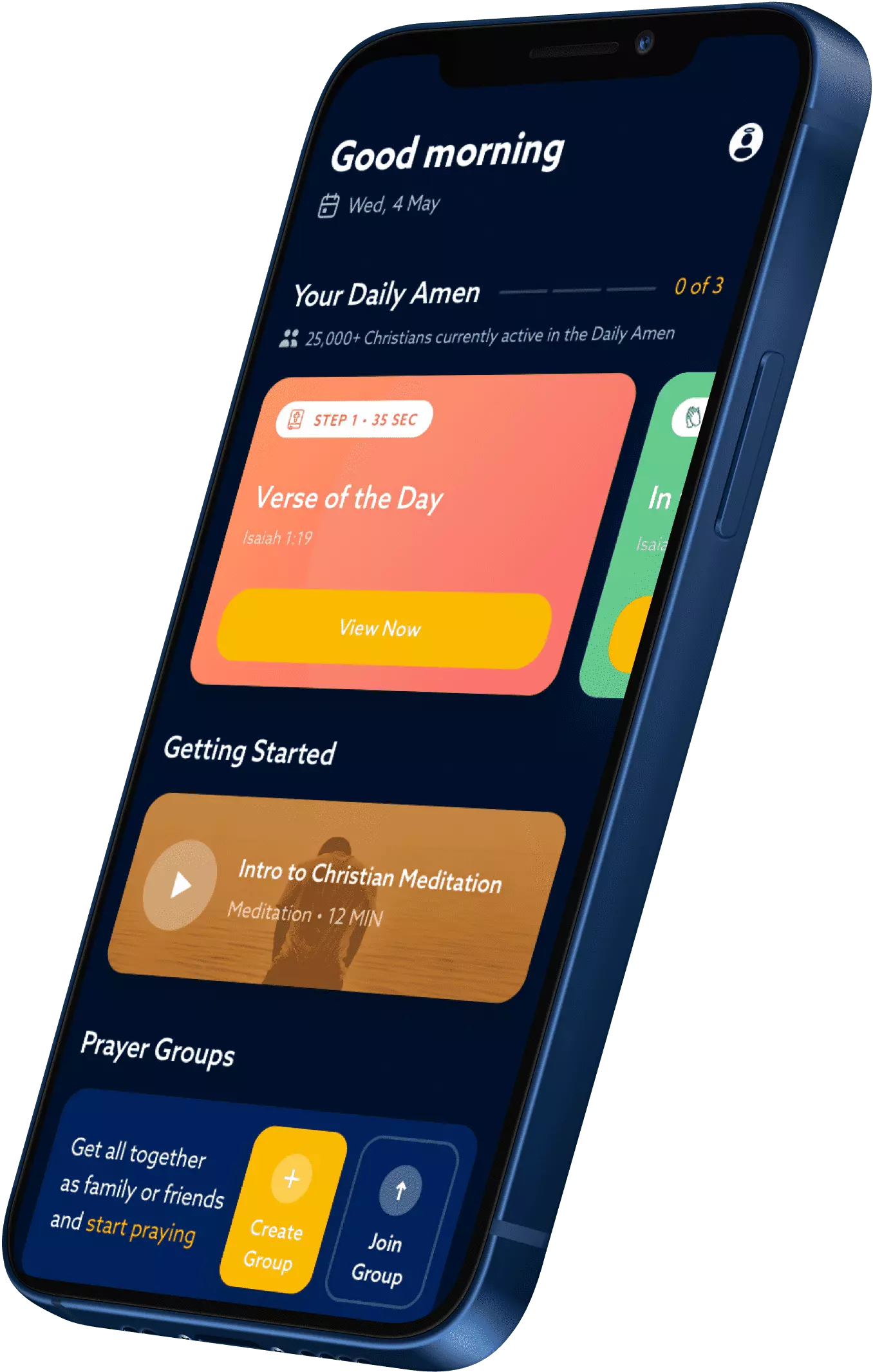
Amen was designed to help you make the power of prayer a part of your everyday life. Our goal is to help you increase Christian mindfulness, reduce stress & anxiety, improve your sleep and build a stronger relationship with Jesus Christ.
Amen is everything you need to stay connected with God and lead the fulfilling life He intends for you. Download our FREE app in the App Store!