Packing list
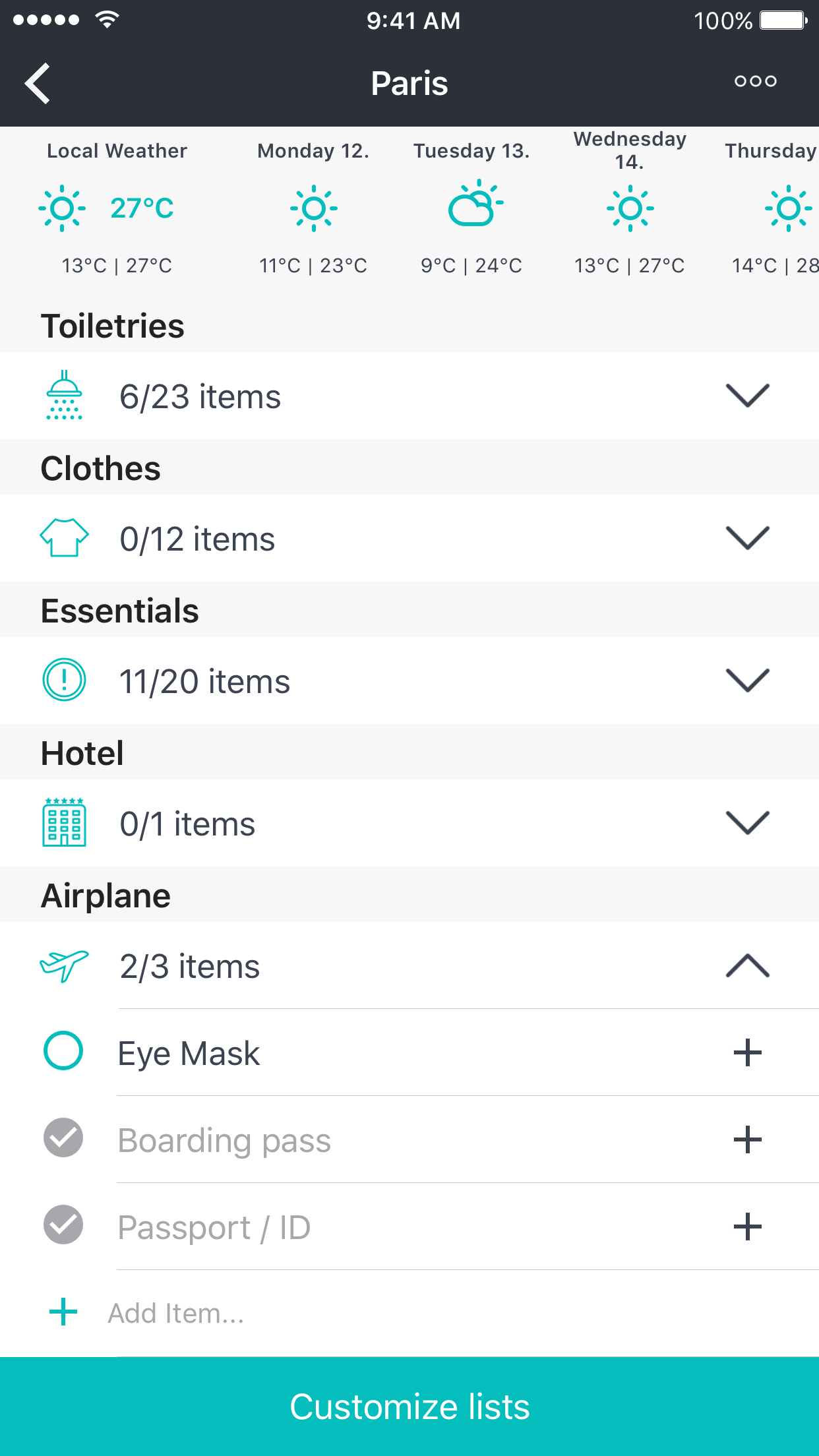
Tailor-made packing list for each trip.
Weather integration
Get packing suggestions based on the weather forecast at your destination.
Family mode
Pack for several travelers, making parents' life so much easier.
OLP manifests in several clinical forms, including reticular (white lacy patches), erosive (painful ulcers), and plaque-like lesions.
Mexico has recently undergone historic shifts in how it manages wildlife and domestic animals, particularly within its zoo systems and national laws. Oral Lichen Planus (OLP) Laboratory Testing - Beutner Labs
The condition involves an immune response where cytotoxic T cells target and damage the basal cells of the oral epithelium.
Oral Lichen Planus (OLP) is a chronic T-cell mediated autoimmune disease that primarily affects the mucous membranes of the oral cavity. It is estimated to affect 1–2% of the global population, with a higher prevalence in middle-aged women.
Tailor-made packing list for each trip.
Get packing suggestions based on the weather forecast at your destination.
Pack for several travelers, making parents' life so much easier.
Plan your trip and packing list for multiple destinations. Each destination's weather will be used to make sure you never forget to pack an umbrella.
Your packing lists are automatically synced across all your devices.

Maybe this big list of features will help!
Packr is available on iPhone & iPad
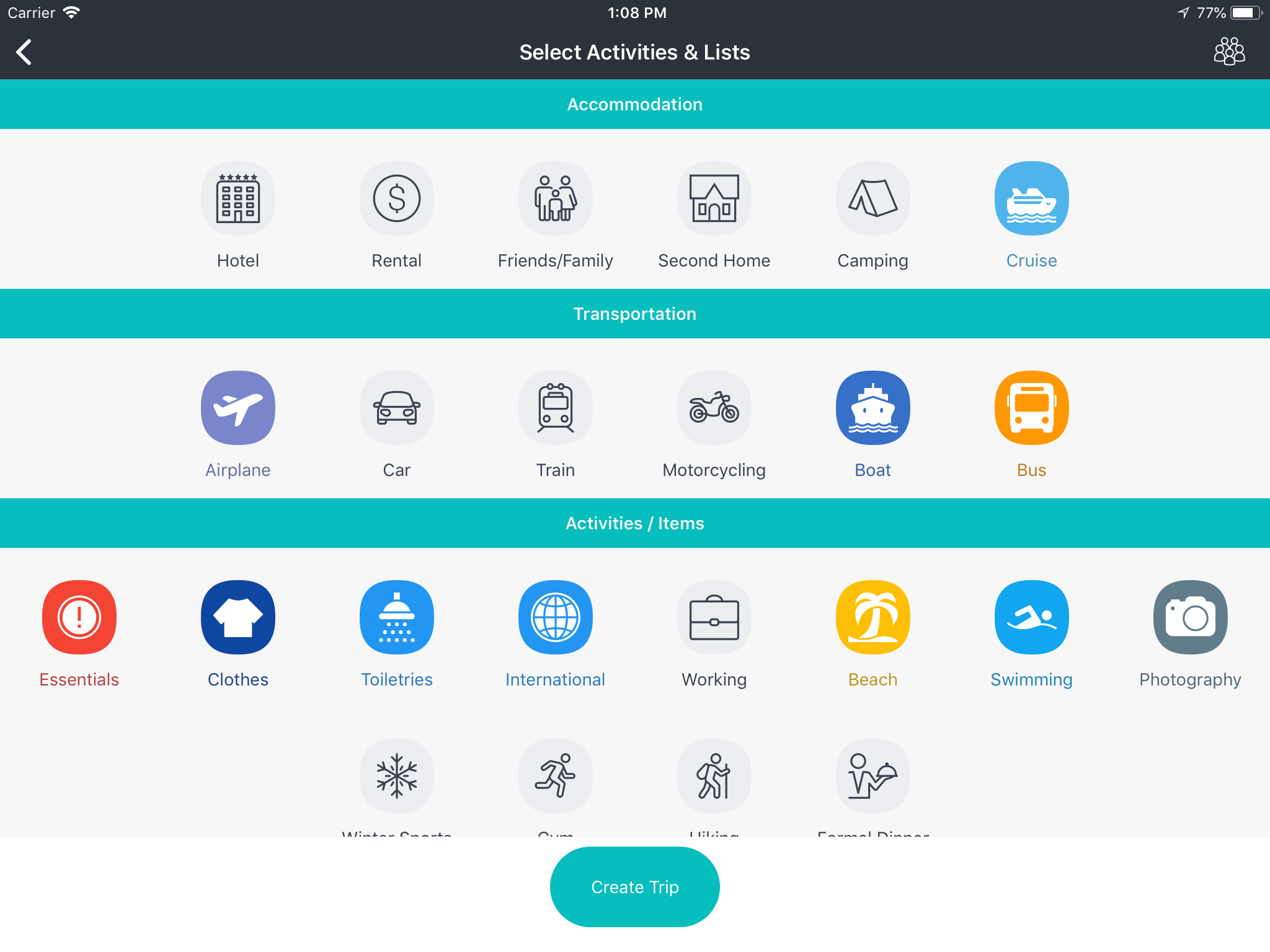
25+ activities and lists
Weather-driven packing list
Family mode
Multi-destination trips
Sync across devices
Add your own custom items
Offline access
Reusable lists
Custom categories & items
Custom reminders before your trip
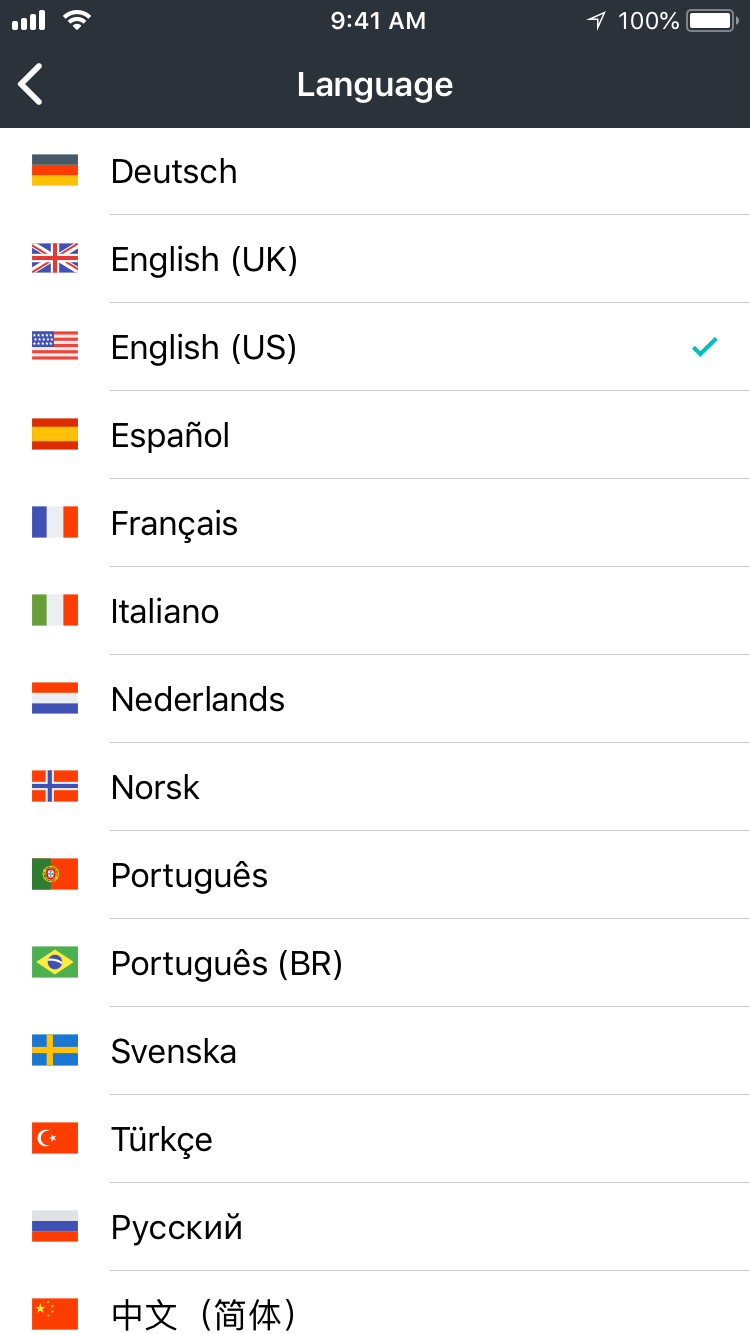
Available in 30+ languages
OLP manifests in several clinical forms, including reticular (white lacy patches), erosive (painful ulcers), and plaque-like lesions.
Mexico has recently undergone historic shifts in how it manages wildlife and domestic animals, particularly within its zoo systems and national laws. Oral Lichen Planus (OLP) Laboratory Testing - Beutner Labs
The condition involves an immune response where cytotoxic T cells target and damage the basal cells of the oral epithelium.
Oral Lichen Planus (OLP) is a chronic T-cell mediated autoimmune disease that primarily affects the mucous membranes of the oral cavity. It is estimated to affect 1–2% of the global population, with a higher prevalence in middle-aged women.