





Contact us with email
Quick Links
DuckDuckGo,Twitter,Instagram,Google,Facebook,YouTube,Reddit,Bing,TikTok,Wikipedia,
© 2026 Vital Vault





CroxyProxy: Secure Web Browsing Solution. Access websites safely with privacy-focused browsing technology. Experience seamless connectivity for video streaming, social media, and content discovery with built-in security features designed to protect your online privacy.
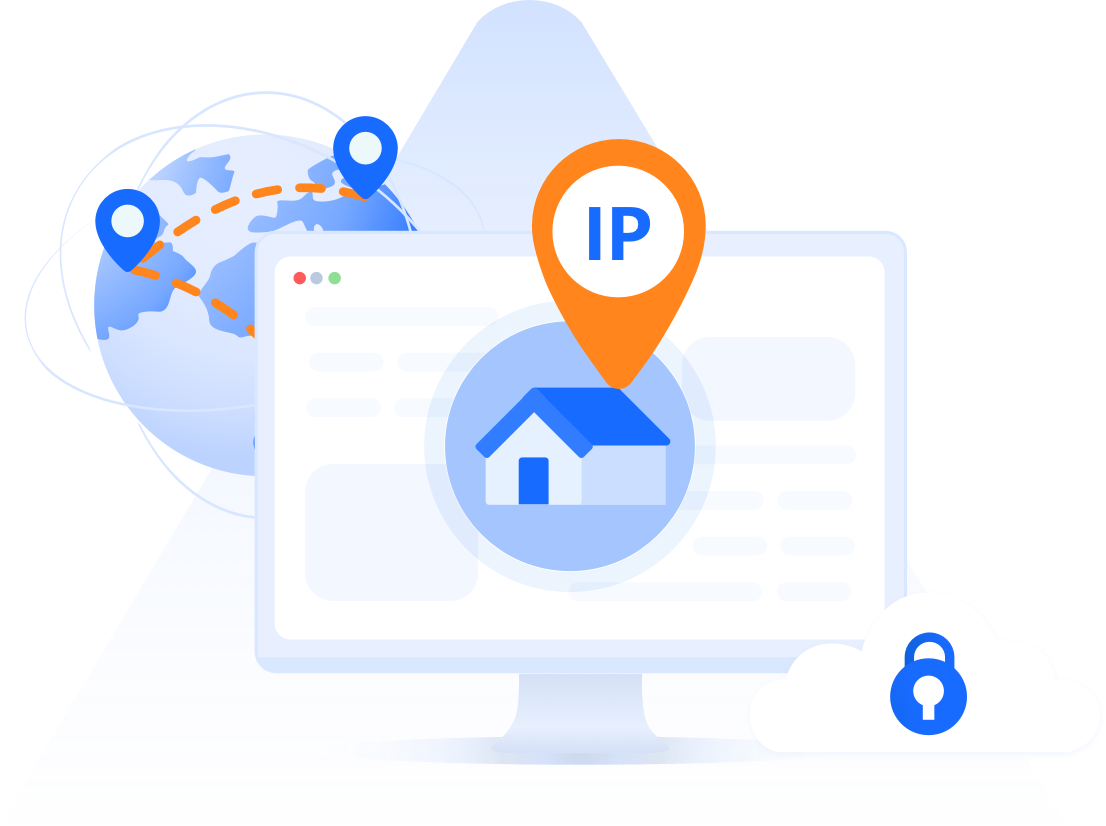
A proxy service acts as a mediator between your device and the Internet. It's straightforward to use – just enter the web address you want to visit. Your request passes through the proxy to the website, and the web content will return to you through the same proxy. This is beneficial if you want to:
 Secure and reliable network connectivity Keep your browsing history private Open inaccessible websites
Web proxy servers and VPNs both act as an intermediary between the user and a website. Web proxies and VPNs both receive a request from the user, get a response from the targeted websites, and route it to the user again. The main differences between proxy servers and VPNs are how they work and which protocols they support, which affects their privacy and security capabilities.
VPNs are typically configured at a system level, allowing all traffic to pass through them, i.e., web browsing, music streaming, file sharing, or gaming. Many VPN software solutions allow users to exclude selected apps from operating through the VPN, but the default settings usually direct all traffic through them.
A web proxy can be accessed directly from your browser without installing any software. It allows you to access websites quickly and conveniently, making it a practical choice for simple online browsing tasks.
Efforts to dub major films into Indigenous languages have introduced these tongues to younger generations in a way that feels cool and relevant.
The rise of is not just a trend; it is a profound reclamation of narrative sovereignty . For decades, Indigenous peoples were often relegated to the background of mainstream media, portrayed through narrow stereotypes or as historical relics. Today, a new wave of Indigenous creators is dismantling these tropes, using film, television, digital media, and music to tell authentic, contemporary, and diverse stories. 1. The Shift Toward Narrative Sovereignty
Films like Blood Quantum use the zombie genre to explore themes of colonialism and immunity, while Prey (2022) successfully revitalized the Predator franchise by grounding it in Comanche culture and language.
Shows like This Land or All My Relations provide deep-dive journalism and cultural commentary that mainstream news outlets often overlook.
For a long time, Indigenous presence in media was trapped in the 19th-century Western genre. While historical dramas still exist, there is a massive push into :
Creators are blending traditional knowledge with science fiction, imagining futures where Indigenous cultures thrive.
Indigenous entertainment is currently in a "Golden Age." By moving past the "cowboys and Indians" clichés of the past, these creators are showing the world that Indigenous cultures are vibrant, evolving, and essential to the global cultural fabric. The world is finally listening, and more importantly, Indigenous people are finally the ones holding the microphone.
Beyond Hollywood, the internet has democratized media production. Platforms like have birthed a new generation of Indigenous influencers who use short-form video to educate audiences on beadwork, traditional dance, and social justice issues.
The future of Indigenous media lies in . This means more Indigenous-owned production companies, film festivals (like ImagineNATIVE), and training programs that ensure the "behind the camera" workforce—the editors, cinematographers, and executives—is as diverse as the talent on screen. Conclusion
Media has become a vital tool for preserving and revitalizing endangered Indigenous languages. In many modern productions, dialogue is delivered in traditional tongues—often for the first time on a global stage.

With our robust data collection infrastructure, you can enjoy stable IP connections and reduced interruptions, ensuring smooth and efficient web crawling.


