
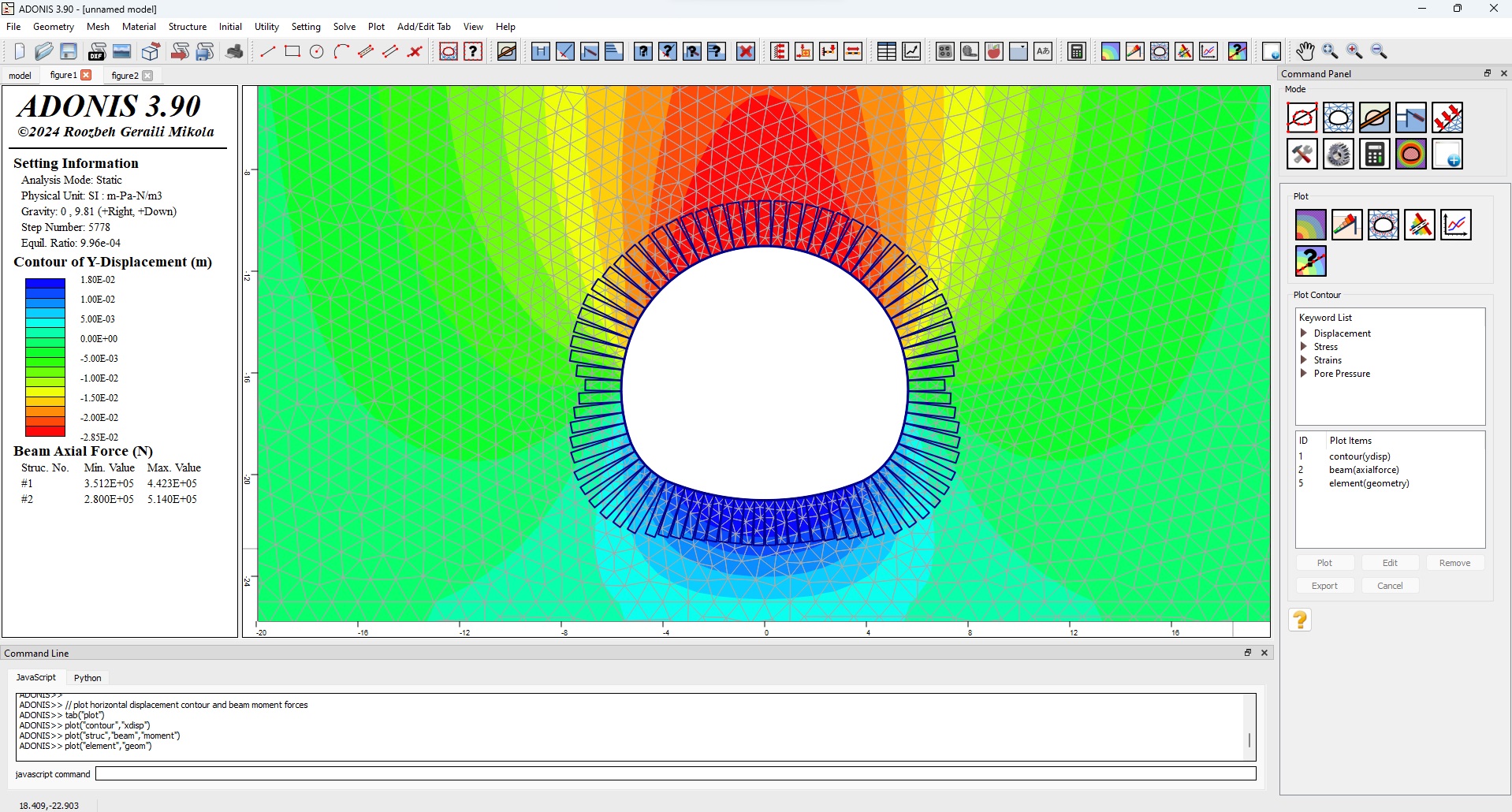
ADONIS is a free finite element program for geo-engineers.

HYRCAN is a free slope stability program for geo-engineers.
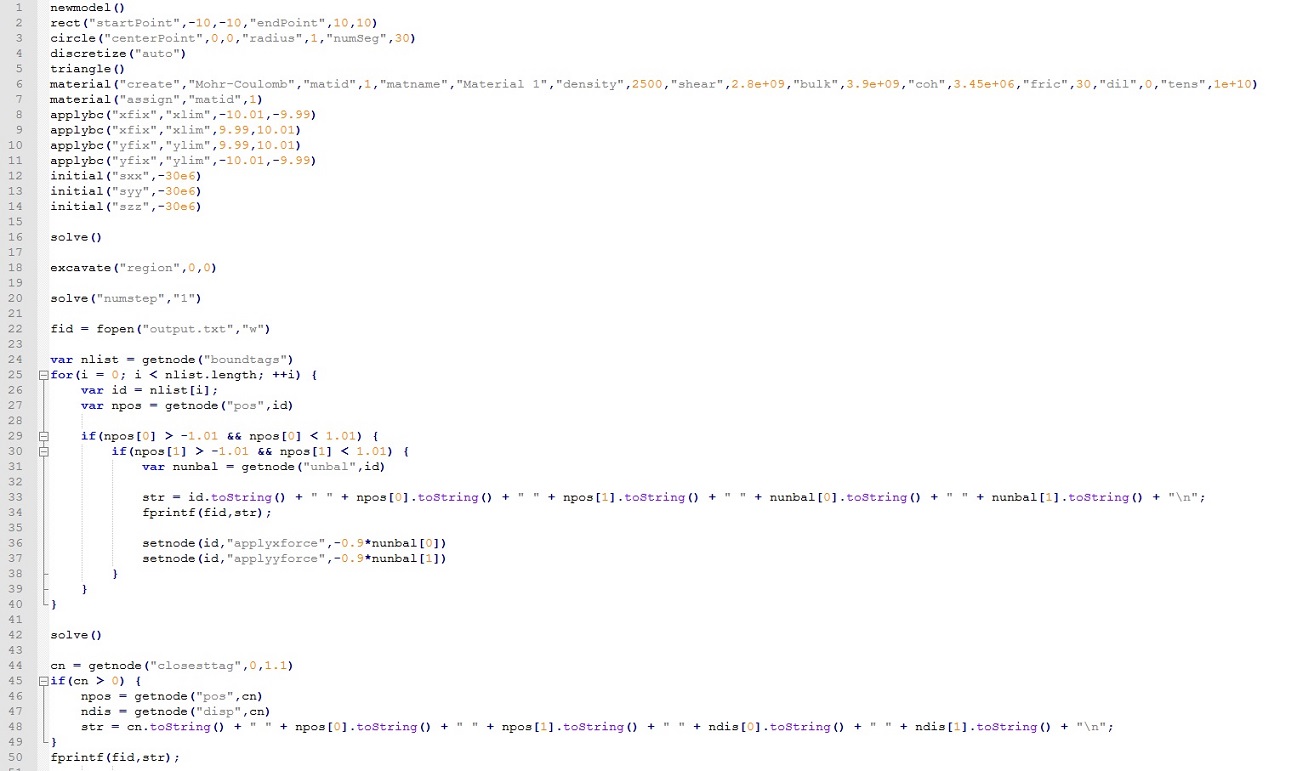
Embedded Javascript and Python languages enable the user to interact with and manipulate the models.
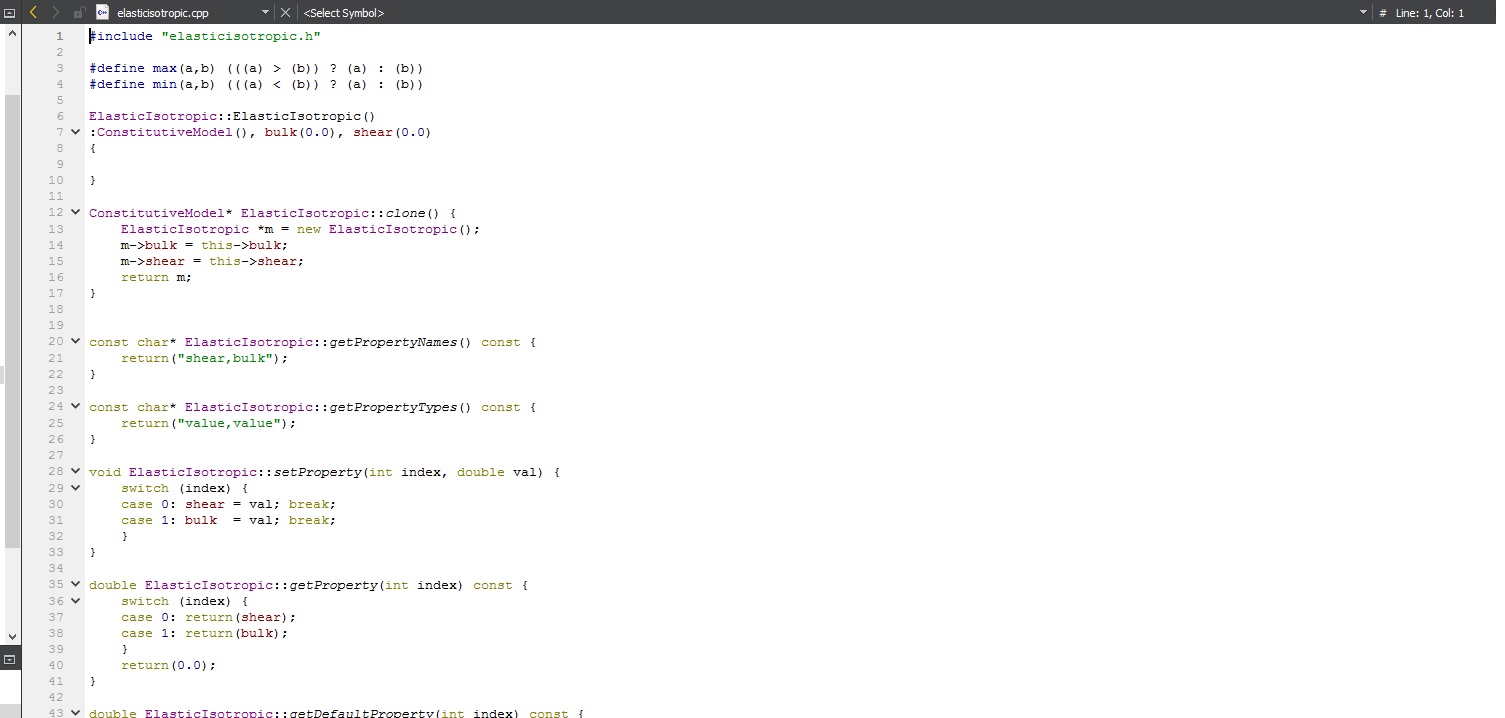
Users can define their own constitutive model and integrate it into ADONIS.
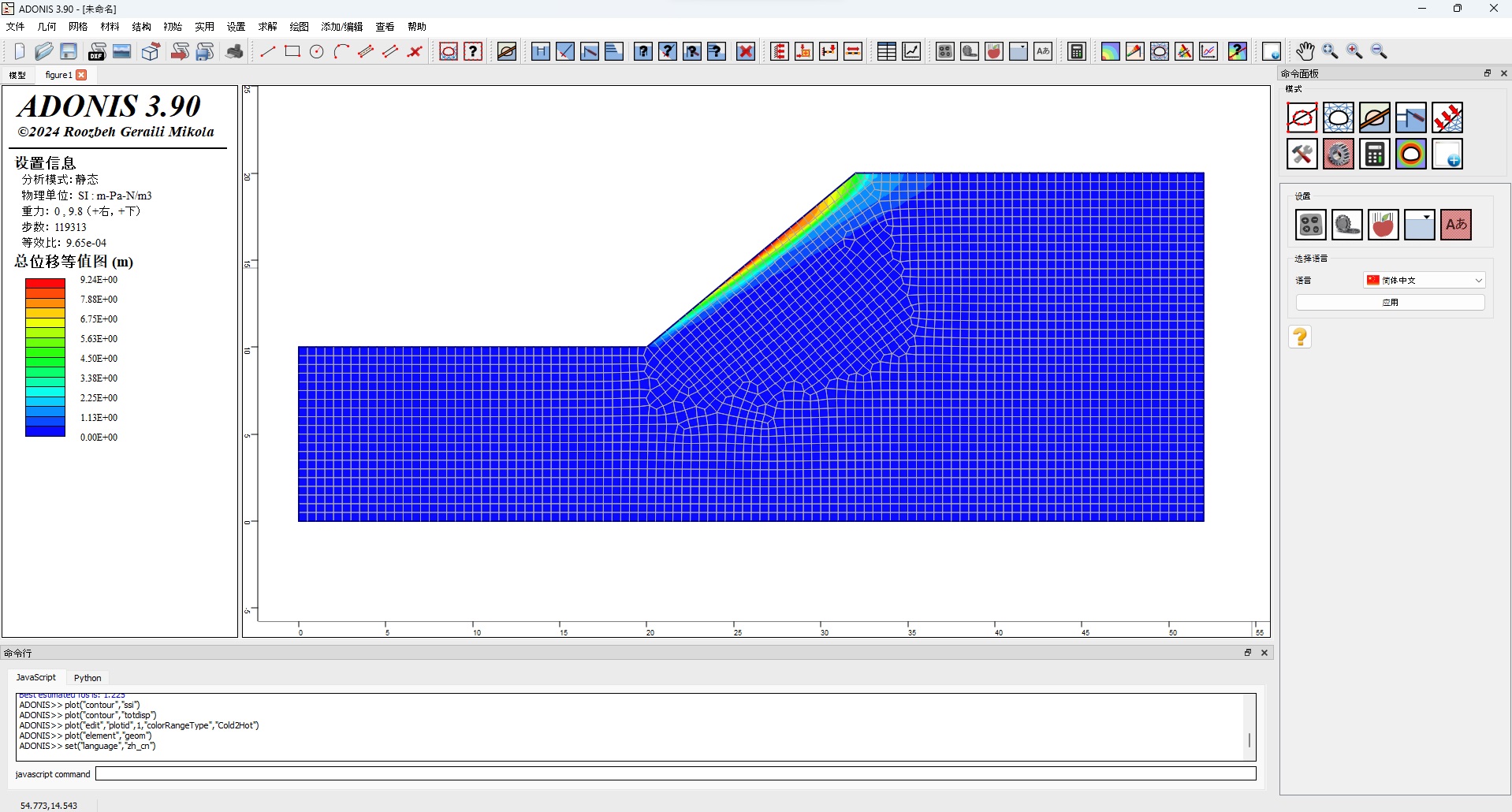
ADONIS currently supports 10 languages:
English, French, German, Italian, Spanish, Portuguese,
Russian, Turkish, Vietnamese, Simplified Chinese and Polish

While the manual aimed for "policing by consent," critics have long pointed to its more aggressive tactical guidelines. Some historians and civil liberties groups argue that POMAN 1971 introduced "pre-emptive" strategies that prioritized containment over facilitating expression.
POMAN 1971 was built on the premise of balancing the with the state's necessity to preserve public safety. Its primary objectives included:
Establishing a framework for mobilizing local and regional resources to address national-level disorder. Tactical Innovations and Controversy public order manual poman 1971
The early systematic gathering of "intelligence" on protest leaders and "ringleaders" to anticipate movements before they occurred. Legal Framework: The 1971 Act
The manual operated alongside the Public Order (Protection of Persons and Property) Act 1971 , which granted specific powers to police regarding "protected premises" and "protected persons" (such as diplomats and federal courts). This legislation made it an offense to disregard police directions to leave certain premises, providing the legal teeth for the manual's tactical applications. Public Order (Protection of Persons and Property) Act 1971 While the manual aimed for "policing by consent,"
Key tactical elements often associated with this era of manual-based policing include:
Providing a unified set of instructions for managing "manageable portions" of a crowd to prevent mass escalation. This legislation made it an offense to disregard
The stands as a pivotal, though often controversial, document in the history of law enforcement and civil liberties . Developed during a period of significant social upheaval, this manual provided the first comprehensive tactical framework for policing large-scale demonstrations and civil unrest in the United Kingdom and influenced similar protocols across Commonwealth territories. Historical Context: The Genesis of POMAN 1971