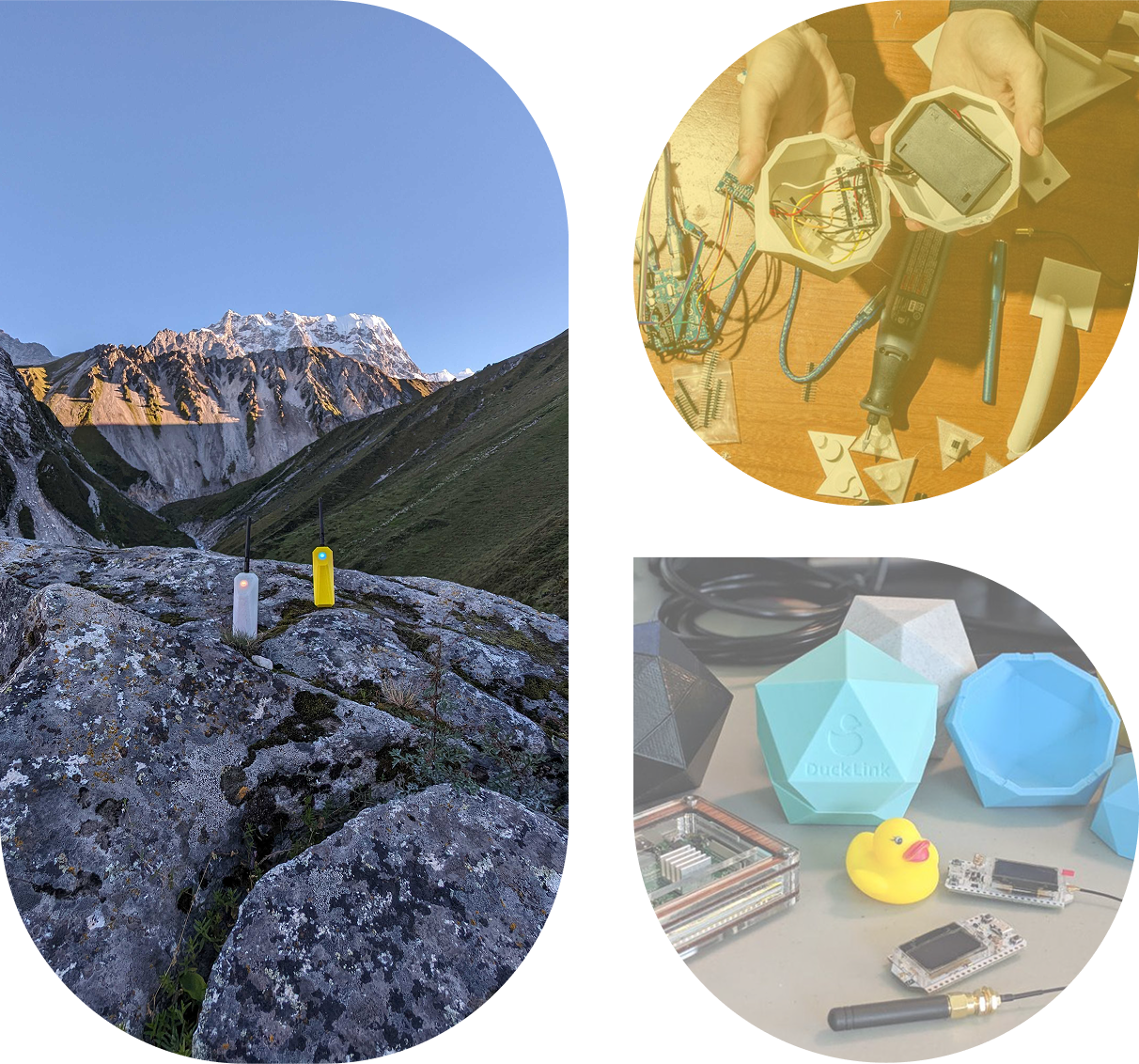
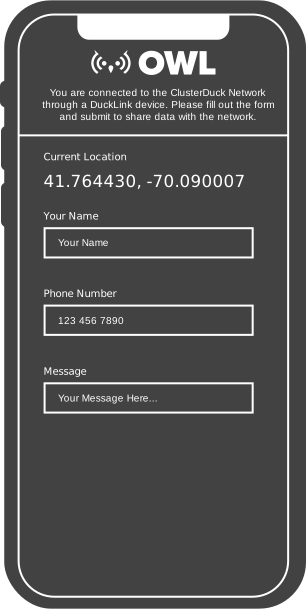
In 2017, Hurricane Maria, a category-5 storm, severely impacted Puerto Rico, demolishing homes and communication infrastructure. To address this issue, the ClusterDuck Protocol (CDP) was developed in 2018. It utilizes battery-powered Internet-of-Things devices to reestablish essential communication during emergencies, allowing civilians to request assistance, share their locations, and receive vital information from local governments and responders.
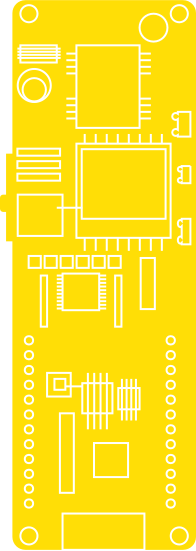
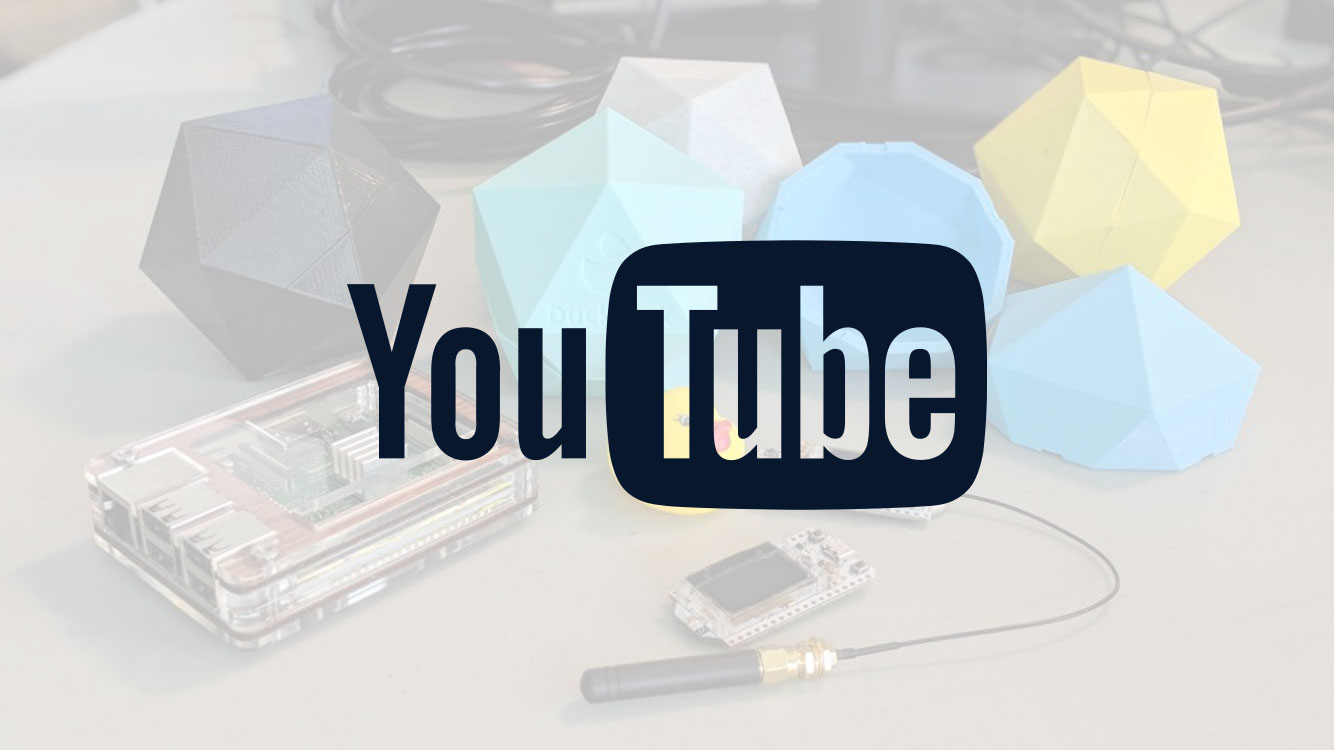
The ClusterDuck Protocol runs on a variety of IoT hardware, including many ESP32 Arduinos.
Here is a list of hardware we use, though there may be many others that work. We recommend the Heltec LoRa ESP32 and the TTGO T-Beam ESP32.
For a simple network you will want to make at least two Ducks. For bigger networks you will need more.
To start developing, you will need PlatformIO on your computer.
Download or git clone the CDP library from GitHub.
Follow the installation instructions here
Please Note: With the Release of the ClusterDuck Protocol Version 4 we have different instructions. If you are looking for older instructions please go here
Connect your board to platform IO
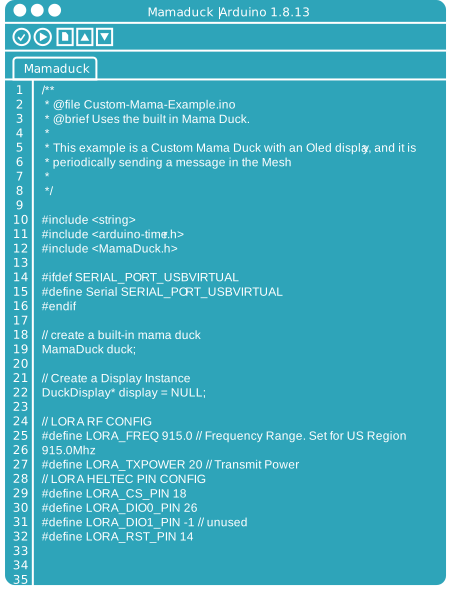
Follow the these updates instructions for loading up a Duck to get one running.
Use the pre-built examples or develop custom Ducks of your own.
Deploy!
The architecture of a Sexnordic BBS was typically built for efficiency. Unlike the cluttered forums of the later 2000s, these systems relied on text-based menus and ANSI art. This simplicity allowed users with slow modem connections to navigate quickly. Discussion categories were broad, ranging from local politics and social issues to technical troubleshooting and gaming. The "Sex" prefix in such historical contexts sometimes referred to "Section" or "Sector" in specific software configurations, though it was also occasionally used as a marketing hook to attract users to "adult" or uncensored discussion areas, which were common in the more liberal social climates of Scandinavia.
As the internet shifted toward centralized social media platforms, the Sexnordic BBS model faced a decline. However, a dedicated group of sysops (system operators) has kept the legacy alive through Telnet-accessible boards. Modern enthusiasts use these platforms to relive the nostalgia of the pre-broadband era. They represent a rejection of the algorithmic feeds that dominate today's web, favoring a slower, more intentional form of communication where every user is known by their handle and reputation is built over years of consistent interaction. Sexnordic Bbs
The legacy of Sexnordic BBS is found in the robust digital infrastructure of modern Scandinavia. The early adoption of BBS technology created a tech-literate generation that helped turn the region into a global hub for software development and telecommunications. Today, while the original hardware may be long gone, the spirit of these boards—centered on privacy, community, and open exchange—continues to influence how developers in the region approach decentralized networking and digital privacy. For those looking to explore the roots of the European internet, these legacy boards remain a vital piece of history. The architecture of a Sexnordic BBS was typically