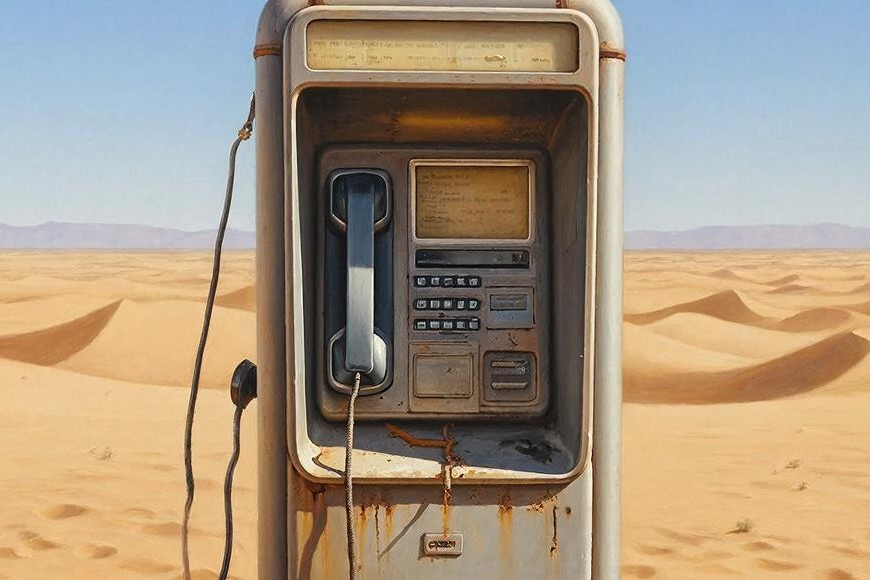
Uncensored Overflow ❲Best Pick❳
Operating in an uncensored environment is not without significant hurdles. Without central oversight, these spaces often face:
Legal Complexity: Navigating international laws regarding illegal content remains a primary concern for developers of decentralized tech.
User Responsibility: In an uncensored overflow, the burden of filtering content shifts entirely from the platform to the individual user. The Future of Uncensored Overflow
As AI-driven moderation becomes more pervasive on mainstream sites, the demand for "overflow" spaces—where AI does not dictate what can be said—is likely to grow. The future of the web may see a bifurcated structure: a "clean" web for commerce and professional interaction, and an "uncensored" web for raw data exchange, whistleblowing, and absolute free speech.
Ultimately, Uncensored Overflow isn't just about a specific website; it is a technical and philosophical response to the closing of the digital frontier. It represents the persistent human desire to communicate without a middleman, ensuring that no matter how narrow the gate, the information will always find a way to overflow.
The "overflow" aspect refers to the sheer volume of data that modern systems generate. When this data is uncensored, it creates a raw, unfiltered stream of human thought. Proponents argue that:
Digital platforms have transitioned from open forums to highly regulated ecosystems. While moderation aims to curb harassment and misinformation, it also creates friction for users seeking absolute freedom of expression. This tension has led to the rise of Uncensored Overflow platforms—spaces where the default setting is visibility rather than restriction. Technical Foundations of Uncensored Systems
Operating in an uncensored environment is not without significant hurdles. Without central oversight, these spaces often face:
Legal Complexity: Navigating international laws regarding illegal content remains a primary concern for developers of decentralized tech.
User Responsibility: In an uncensored overflow, the burden of filtering content shifts entirely from the platform to the individual user. The Future of Uncensored Overflow
As AI-driven moderation becomes more pervasive on mainstream sites, the demand for "overflow" spaces—where AI does not dictate what can be said—is likely to grow. The future of the web may see a bifurcated structure: a "clean" web for commerce and professional interaction, and an "uncensored" web for raw data exchange, whistleblowing, and absolute free speech.
Ultimately, Uncensored Overflow isn't just about a specific website; it is a technical and philosophical response to the closing of the digital frontier. It represents the persistent human desire to communicate without a middleman, ensuring that no matter how narrow the gate, the information will always find a way to overflow.
The "overflow" aspect refers to the sheer volume of data that modern systems generate. When this data is uncensored, it creates a raw, unfiltered stream of human thought. Proponents argue that:
Digital platforms have transitioned from open forums to highly regulated ecosystems. While moderation aims to curb harassment and misinformation, it also creates friction for users seeking absolute freedom of expression. This tension has led to the rise of Uncensored Overflow platforms—spaces where the default setting is visibility rather than restriction. Technical Foundations of Uncensored Systems