Xxxvdo2013 Repack May 2026

The Evolution of Digital Archiving: Understanding the Legacy of the xxxvdo2013 Repack

However, for those studying the history of the internet, these naming conventions are vital. They tell the story of a time when the internet was becoming more organized, when users demanded higher standards for their digital collections, and when the "repack" was the ultimate badge of reliability.

The digital landscape of the early 2010s was a frontier of rapid media expansion and limited bandwidth. During this era, the "xxxvdo2013 repack" emerged as a significant phenomenon within file-sharing communities and digital archives. To understand why this specific designation still carries weight today, one must look at the technical necessity of repacks, the culture of media preservation, and the specific historical context of 2013. The Role of the Repack in Media Distribution xxxvdo2013 repack

When users search for these specific repacks today, they are often looking for more than just the media itself. They are seeking the specific version that defined their viewing experience during that era. It represents a "version 1.1" of digital history—a corrected, polished artifact of a specific moment in time. Security and Legacy in the Modern Era

The year 2013 was a transitional period for video codecs. While H.264 (AVC) had become the dominant standard, the efficiency of encoding was still being perfected. The xxxvdo2013 repack likely utilized advanced compression techniques to maintain high visual fidelity while reducing file sizes. The Evolution of Digital Archiving: Understanding the Legacy

The xxxvdo2013 repack remains a testament to the era of the enthusiast-archivist. It reminds us that even in the ephemeral world of digital data, there is a constant drive toward perfection, organization, and the preservation of quality for the long haul.

In technical terms, a "repack" refers to a file or set of files that have been re-released by a distribution group to fix issues found in the initial version. In 2013, digital distribution was plagued by inconsistencies. An original upload might have sync issues between audio and video, missing metadata, or corrupted sectors that prevented smooth playback. During this era, the "xxxvdo2013 repack" emerged as

For many collectors, these repacks were the "Goldilocks" of digital media: high enough quality to look excellent on the burgeoning 1080p monitor market, yet compressed enough to be stored on the affordable 1TB or 2TB hard drives of the time. The repack wasn't just a fix; it was an optimization for the hardware reality of the early 2010s. The Cultural Impact of Digital Preservation

The xxxvdo2013 repack represented a commitment to quality. By issuing a repack, distributors ensured that the end-user received a verified, functional, and optimized version of the content. This was particularly crucial in an era where downloading a several-gigabyte file could take hours or even days; users needed the assurance that the file they were downloading was the definitive version. Optimization and Compression Standards of 2013

Different types of DJ equipment

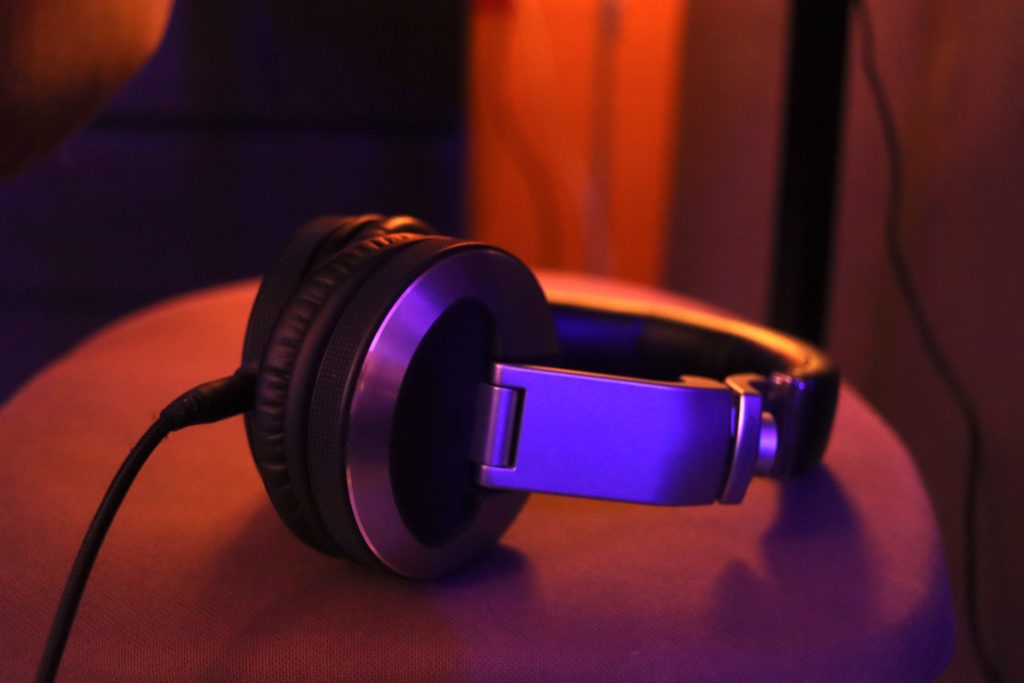
DJ Headphoes

xxxvdo2013 repack

You can’t DJ properly if you can’t hear what you’re doing or gauge what the audience is hearing. This is why a top-class pair of headphones is essential in any DJ setup. There are hundreds of great headphones on the market, but what you need to factor in when buying is whether they will be in-ear or over-ear, the cup size, orientation, comfort, and durability, among other things.

Different types of DJ equipment

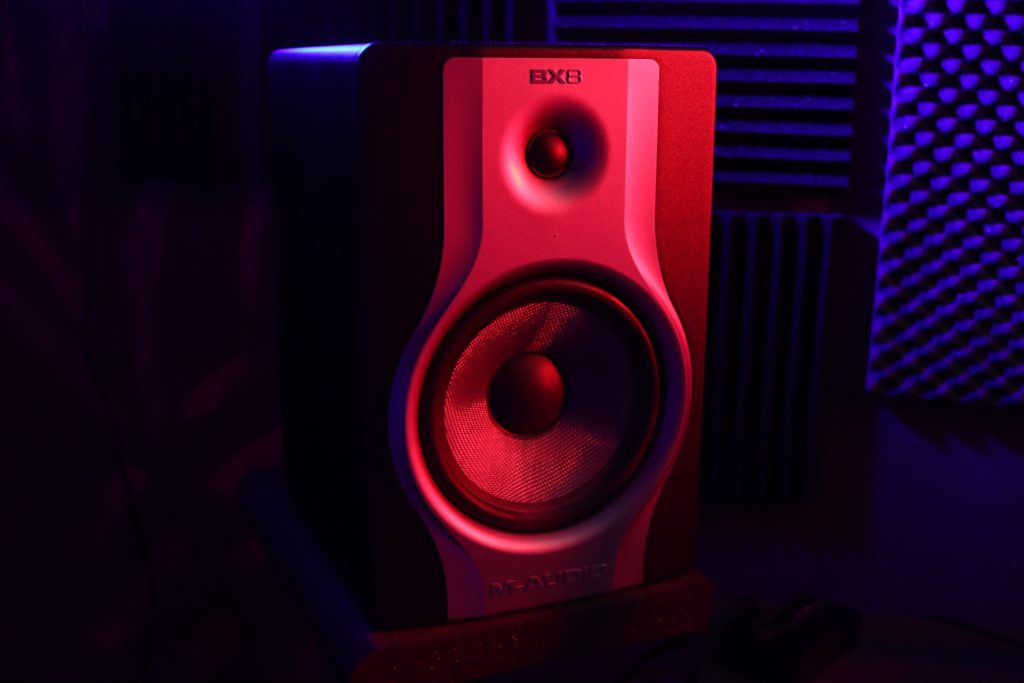
speakers

xxxvdo2013 repack

 If you haven’t got some already and need to add speakers to your shopping list, you’ll want to avoid cheap brands and opt for some which are powerful but suitable for your DJing environment. You wouldn’t go out and buy a huge PA system if you live in a cupboard under the stairs, and you wouldn’t invest in some tiny desk speakers if you are mixing in a large room with thick walls and high ceilings. A set of speakers that fit somewhere in the middle is best.

Different types of DJ equipment

DJ Software

xxxvdo2013 repack

If you’re looking to play solely digital, you’re going to want to invest in some good software. Some DJs who play from USB still do not use software, but the truth is, it can seriously help you stay organized. Software not only allows you to prepare your tracks into neat and tidy playlists, but it also detects the BPM and key of all your tunes, lets you set hot cues, make loops, mashups, and other really cool stuff that wouldn’t be possible if you simply stuck all your tunes on a USB stick or burned them to CD. If you’re just starting out as a DJ, there’s no question that using a high-quality software program will make mixing easier and your sets sound better.

Different types of DJ equipment

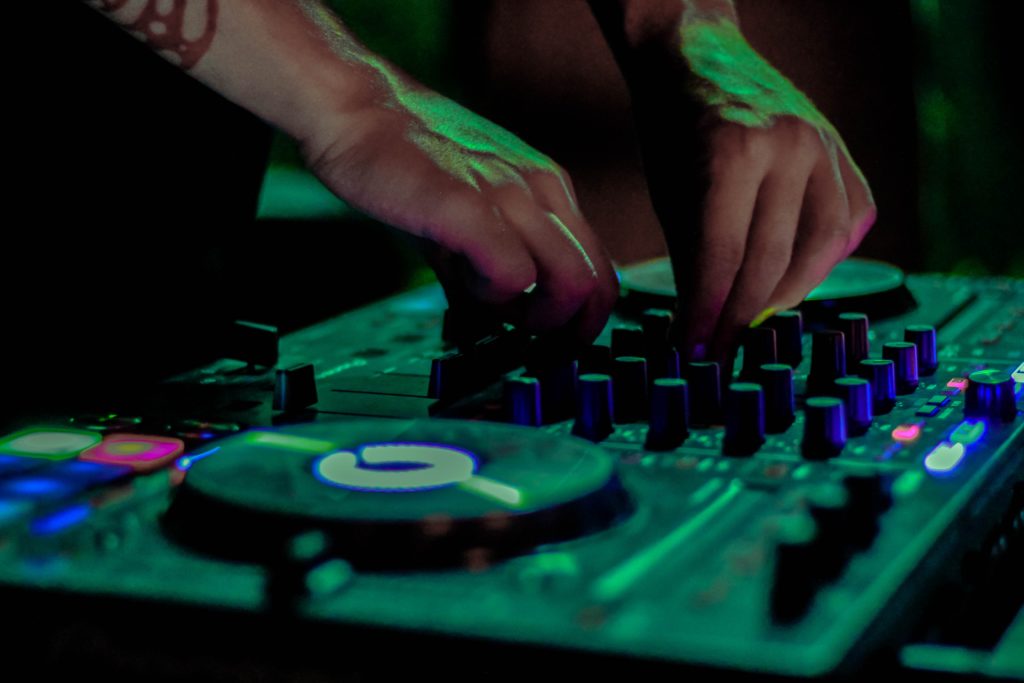
Controllers

xxxvdo2013 repack

 DJ controllers are highly convenient because they are an all-in-one setup that you can carry around with you, then plug in and play right off the bat. They also eliminate the need to spend thousands on individual pieces of gear. There are many different types of DJ controllers that are ideal for beginners, each with different functions, personalities, and more. Some are fantastic for multi-deck mixing, changing the volume, tempo, track settings, looping, panning, playing drum pads, and even scratching.

Different types of DJ equipment

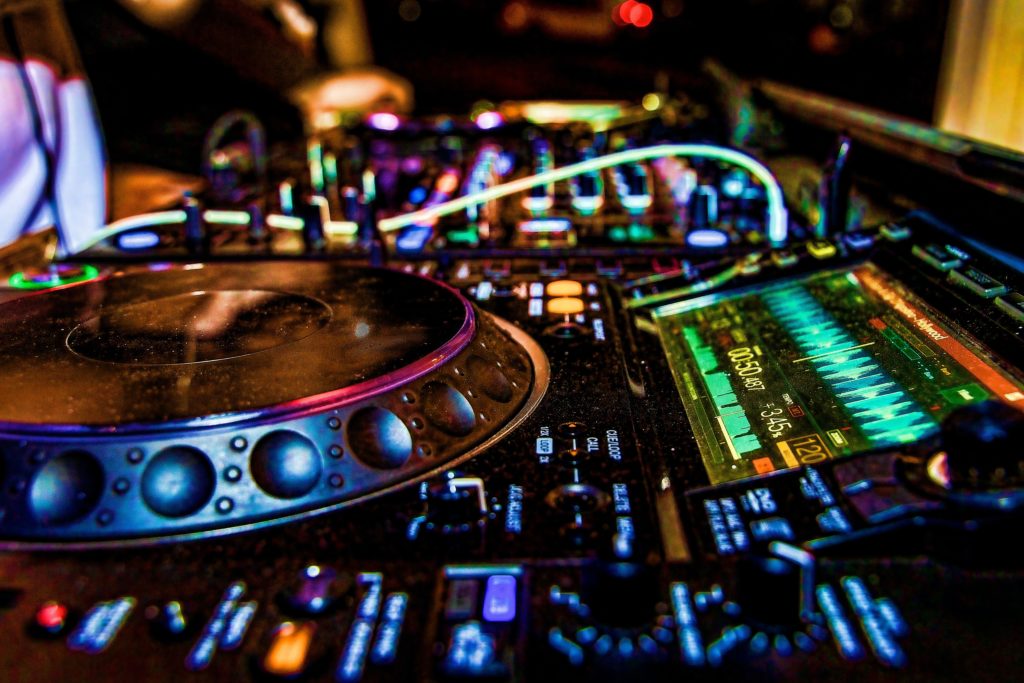
mixers

xxxvdo2013 repack

For any analog DJ setup, a mixer is an essential bit of kit. Besides being used to make seamless transitions from one song to another, they also have a wide range of other functions. The crossfader can be used to make epic scratch performances, while the vertical sliders control the volume levels, panning, and can be used in conjunction with effects. They also act as a soundcard to process the music signal you’re sending out to your audience, and let you cue up your next track in your headphones while the current song is playing.

Different types of DJ equipment

Turntables

xxxvdo2013 repack

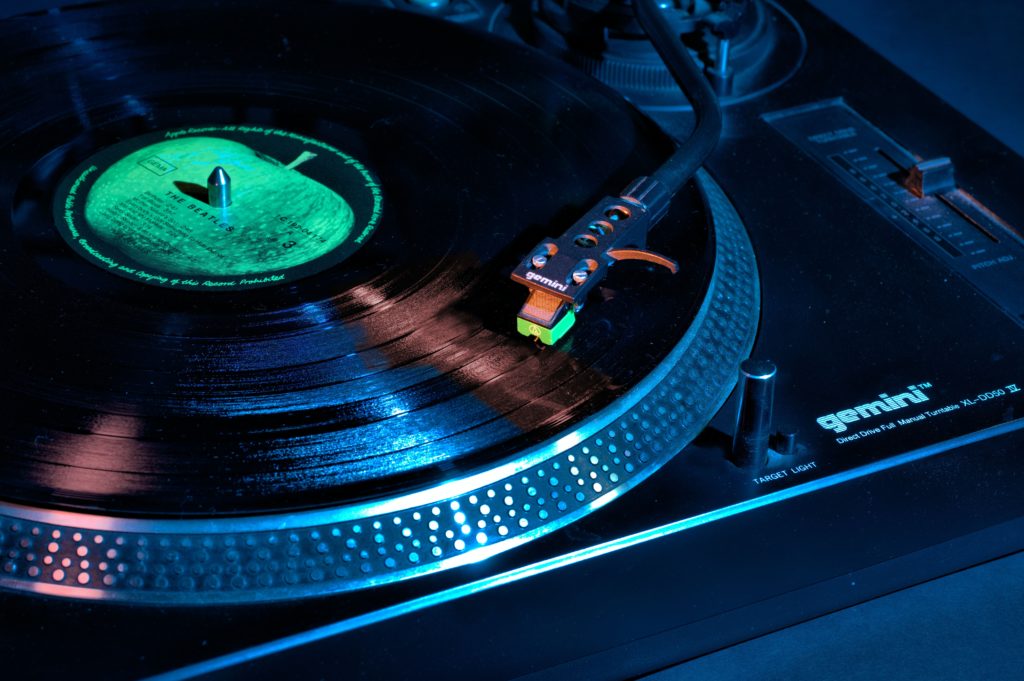
As mentioned, mixing on turntables is the classic way of DJing, and even some digital DJs still have a vinyl player or two in their repertoire. Turntables are ideal for those who want to get into scratching. They also allow you to switch between songs and albums, slow down tempos, alter the pitch, and do other creative tricks. While laptops and digital DJ setups are the most popular in this day in age, we still recommend learning how to mix on vinyl, even if you don’t plan to buy turntables or use them in your setup. The saying is true – if you can play on wax, you can play on anything.